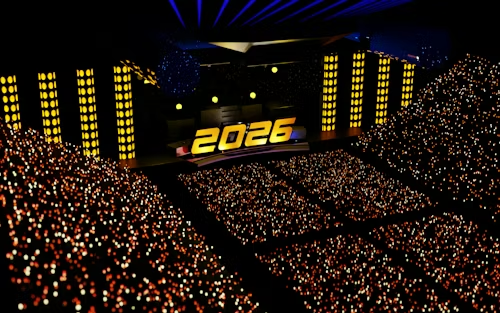
The event industry has undergone a massive transformation over the last few years. As we move deeper into 2026, the days of generic, one-size-fits-all conferences and basic webinars are officially behind us. Today’s attendees demand hyper-personalized, tech-enabled, and deeply immersive experiences.Whether you are organizing a massive corporate summit, a niche B2B networking session, or launching a new product, staying ahead of industry shifts is crucial. Here are the defining event trends you need to know in 2026 to maximize engagement and ROI.
1. AI-Driven Personalization & Matchmaking
Artificial Intelligence is no longer a buzzword; it is the backbone of event logistics in 2026. Attendees no longer want to sift through a massive agenda to find relevant sessions. Instead, event organizers are using predictive AI to curate individualized journeys.
Smart Networking: AI algorithms analyze attendee profiles (skills, industries, goals) to suggest 1-on-1 meetings, acting as a highly accurate digital matchmaker.
Dynamic Agendas: Event apps now dynamically adjust an attendee’s schedule based on the booths they visit or the questions they ask during live Q&As.
Real-time Sentiment Analysis: Organizers are utilizing facial recognition (where opted-in) and engagement metrics to gauge audience mood in real-time, allowing speakers to pivot their delivery if energy levels drop.
2. The Rise of Micro-Events & Hyper-Local Gatherings
While massive global expos still hold value, 2026 is seeing a massive surge in hyper-local, intimate gatherings. "Micro-events" consisting of 20 to 50 highly targeted individuals are proving to yield better conversion rates and deeper professional relationships.Instead of flying thousands of people to a single location, brands are hosting synchronized micro-events across multiple cities. This trend significantly reduces travel costs and caters to a growing desire for closer, more meaningful networking without the overwhelming noise of a 10,000-person convention floor.
3. Seamless SaaS Integrations and Automated Operations
Behind the scenes, the tech stack managing events has matured. Organizers are moving away from fragmented tools and adopting unified SaaS platforms that handle everything from ticketing to post-event professional invoicing and electronic signatures for sponsor contracts.
Automated Workflows: Modern platforms instantly generate invoices and tax documents the moment a vendor or attendee registers.
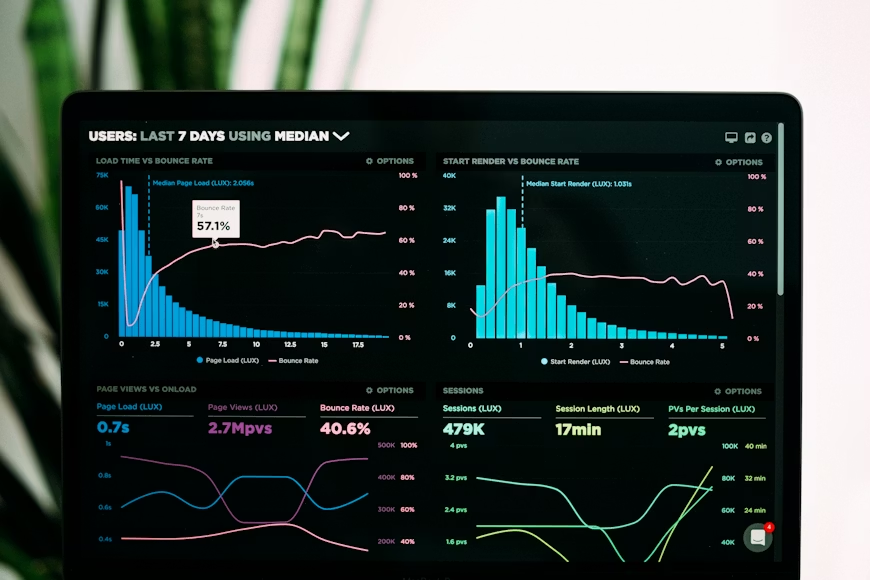
Unified Dashboards: Utilizing modern frameworks (like React or Next.js), today’s event platforms offer lightning-fast, real-time analytics on attendance, inventory management for merch, and lead generation.
Programmatic SEO for Events: Event marketers are leveraging programmatic SEO to automatically generate hundreds of highly-targeted landing pages for different attendee personas, driving massive organic ticket sales.
4. Immersive Environments: AR, VR, and Spatial Computing
With the rapid advancement and mainstream adoption of spatial computing headsets in 2026, hybrid events have evolved into fully immersive experiences.
Augmented Reality (AR) Wayfinding: Attendees navigate massive venue halls using their smartphones or smart glasses, with digital arrows guiding them to their next session.
Virtual Twin Venues: Remote attendees don’t just watch a 2D stream; they walk through a 3D “virtual twin” of the physical venue, interacting with sponsor booths and other virtual attendees in real-time.
Interactive Holograms: Keynote speakers unable to travel are increasingly being beamed in as high-fidelity 3D holograms, making remote presentations feel incredibly lifelike.
5. Radical Sustainability & Zero-Waste Initiatives
Sustainability has shifted from a "nice-to-have" marketing bullet point to a strict baseline requirement. In 2026, attendees and sponsors actively boycott events that lack clear environmental accountability.
Organizers are adopting “Zero-Waste” policies by:
Eliminating single-use plastics and printed collateral.
Using digital swag bags (NFTs, discount codes, digital courses) instead of physical trinkets that end up in landfills.
Partnering strictly with venues that operate on renewable energy and source all catering from local, organic farms to reduce carbon footprints.
6. Wellness and Neuroinclusive Design
Event fatigue is a real phenomenon, and 2026's organizers are actively designing against it. Modern event spaces are being built with neurodiversity in mind, ensuring everyone can comfortably participate.
Quiet Zones: Dedicated, sound-proofed rooms where attendees can decompress, meditate, or simply escape the sensory overload of the main floor.
Wellness Breaks: Agendas that explicitly schedule time for morning yoga, breathwork sessions, or brief outdoor walks, rather than packing back-to-back keynotes for 10 hours straight.
Optimized Catering: Food menus are shifting heavily toward high-energy, brain-boosting foods—ditching heavy, sugar-laden snacks and white flour in favor of clean proteins, fresh greens, and natural energy sources to prevent the dreaded “afternoon crash.”
Conclusion: Adapting to the 2026 Event Landscape
The events of 2026 are highly intelligent, deeply personal, and highly efficient. By leveraging cutting-edge SaaS tools, integrating AI for smarter networking, and prioritizing both sustainability and attendee wellness, organizers can craft experiences that resonate long after the final keynote.
To stay competitive, audit your current event strategy. Are you still relying on outdated tech? Are you forcing attendees into a one-size-fits-all mold? The future belongs to those who adapt, innovate, and create truly unforgettable gatherings.
Ready to revolutionize networking for your next event? Explore custom solutions with
AttendeeGain or
BrandWorks today!