Event Planning

Cvent CONNECT 2026

Cvent CONNECT 2026: Everything Announced (Living Roadmap Tracker)
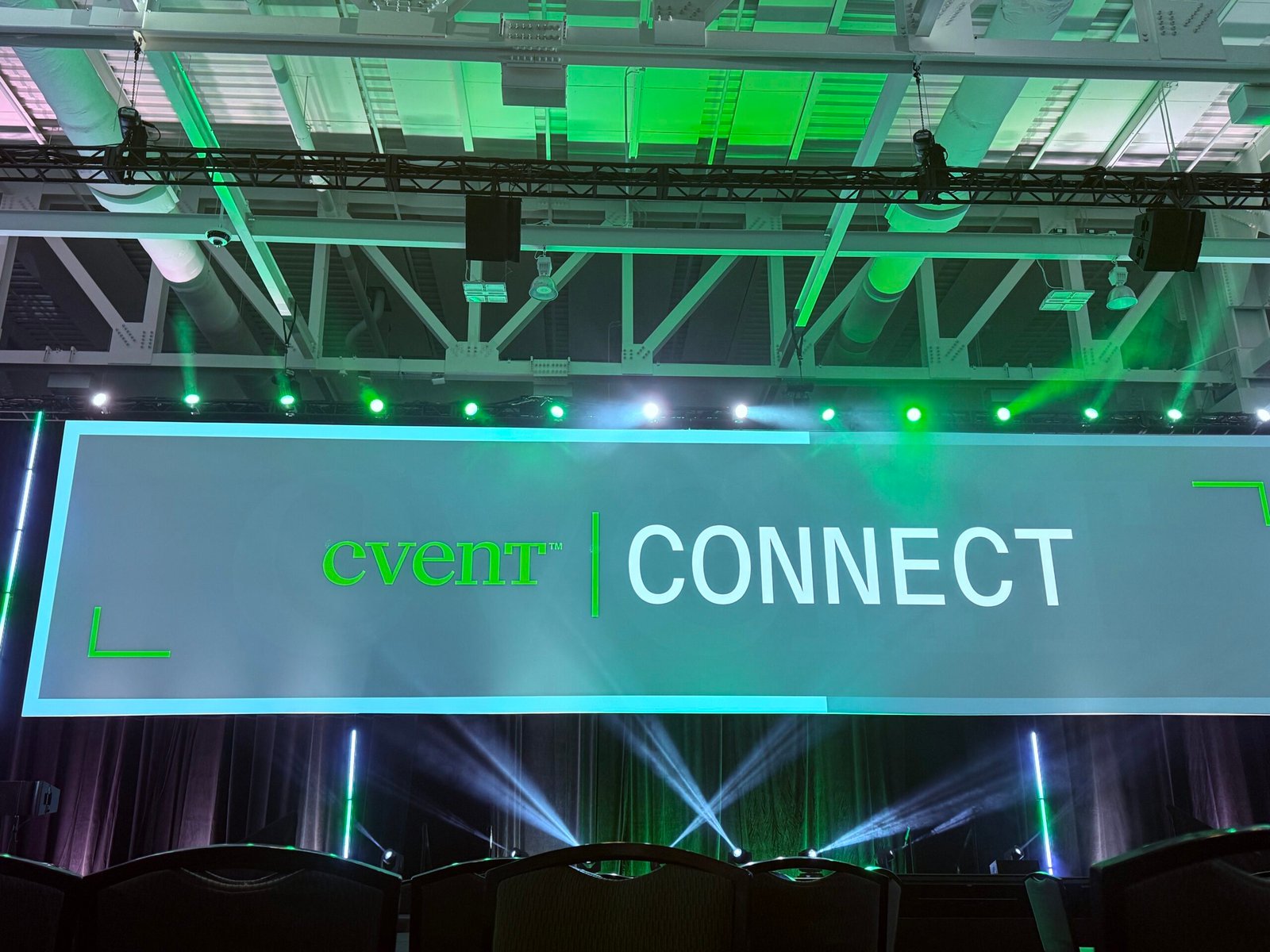
Cvent Connect

Quick Answer

Cvent CONNECT 2026 took place July 14 in Nashville, where Cvent announced more than 70 product innovations — including 34 new AI capabilities — backed by a $1 billion multi-year investment and a full company rebrand centered on “the Presence Premium.” Not everything announced is live yet. Some capabilities shipped immediately, others entered beta in the weeks after the keynote, and several remain scheduled for Q3 and Q4 2026. This page is the single, continuously updated source of truth for what’s actually available right now — with links to our full breakdown of every major piece.

The Master Status Table

We verify this table against Cvent’s own release notes, not just the keynote press release, since the two don’t always agree on timing.

🟢 Live now

Capability Category Notes
Attendee AI Assistant Marketing Embedded in Attendee Hub
Global Profiles & Discovered Interests Marketing No setup required
Snapshots, Session Takeaways, Audience Insights Marketing Zero-config content analytics
Network Builder Marketing Depends on attendee profile data quality
AI Sourcing (venue search) Hospitality Natural-language venue shortlist
AI Powered BYOR (reporting) Reporting Conversational report building
Event Theming Marketing Live
Cvent Assistant — Support / Knowledge Base Organizer Open beta, all customers, since May 2026
Cvent Assistant — Insights capability Organizer Open beta
Cvent Assistant — Survey Feedback Insights Organizer Open beta
Attendee Assistant Attendee Hub Live
AI RFP Builder Hospitality (CSN) Live
AI Seating Assistant Hospitality/Diagramming Beta, Diagramming customers
Rooming List Assistant Hospitality (Passkey) Live, standalone update
Multi-hotel group bookings Hospitality (Passkey) Live, standalone update

🟡 Beta started July 2026

Capability Category Notes
Registration Setup capability Organizer Conversational registration builds
Attendee Management capability (narrower) Organizer Retrieve details, registration changes, agenda updates
Agenda Builder Marketing Needs full session catalog tagged correctly
Warm Introductions Marketing Beta
Exhibitor Recommendations & Lead Follow-Ups Marketing Beta
BI Reporting Assistant Hospitality Beta

🔴 Confirmed for Q3 2026

Capability Category Notes
CventIQ Skills Platform Headless — works through Claude, ChatGPT, Salesforce Agentforce
Cvent Assistant — Event Creation Organizer Full branded draft from uploaded documents
Cvent Assistant — full Attendee Management flow Organizer Paste an email, one-click execute everything
Unified Event List & Navigation Organizer Every event type, one record
AI Content Assistant Hospitality Supplier profile scoring
Planner Navigator enhancements Hospitality Q3 2026
Response Assistant enhancements Hospitality Q3 2026

🔵 Confirmed for Q4 2026

Capability Category Notes
Program Knowledge Base Organizer Org-wide SOPs feed the Assistant
Essentials AI End-to-End Field marketing Full field events via prompt
Cross-format Budget Tracking Finance/Ops Across all event types
Event Diagramming updates (3D Designer) Hospitality Q4 2026

⚪ Rolling, no fixed date

Capability Category Notes
Passkey end-to-end room block overhaul Hospitality “Multiple enhancements through end of 2026,” unconfirmed specific dates
Abhishek Kapoor at Cvent Connect

How We Keep This Page Accurate

Most CONNECT 2026 coverage repeats Cvent’s own press release, which buckets many capabilities under one simplified “Expected Q3 2026” label. That framing is good enough for a headline, but not precise enough to plan a rollout around. We cross-check three sources before anything on this page changes status:

  1. Cvent’s flagship press release — the headline announcement, useful for scope but not for precise timing.
  2. Cvent’s own release-notes board (release.cvent.com) — where individual capabilities get their real beta dates, often ahead of what the press release implies.
  3. Independent reporting — trade press covering live demos and keynote reactions catches details neither Cvent document states outright, like which capabilities got a standing ovation specifically because they haven’t shipped yet.

When these three sources disagree, we follow the most granular and most recent one, and we say so. That’s why several items on this page show as “live now” even though Cvent’s own July 14 press release listed them as “Expected Q3 2026” — the underlying capability had already entered open beta by the time the keynote happened.

Why a Living Page Instead of a Recap

A press release is a snapshot. A single blog recap goes stale the day a beta status changes. This page exists because “everything Cvent announced” isn’t actually one moment — it’s a rollout stretching from May 2026 betas through Q4 2026 launches, and the honest answer to “is X available yet?” keeps changing throughout that window. Bookmark this page specifically because it’s built to keep answering that question correctly, not just on publish day.

Deep-Dive Directory

Every section above links to a full breakdown elsewhere on this site. Here’s the complete set, organized by theme.

Brand & Strategy

AI Platform

Feature Deep-Dives

Practical Guides

Changelog

  • July 24, 2026 — Hub page published. Full status table cross-verified against Cvent’s release notes board and Business Travel News reporting.
  • July 23, 2026 — Confirmed Insights capability, Survey Feedback Insights, and AI Sourcing were live in beta, correcting the flagship press release’s blanket “Expected Q3 2026” framing for these items.
  • July 20, 2026 — Business Travel News reported the full attendee-management flow (paste an email, one-click execute) is confirmed for Q3 2026, not yet shipped.
  • July 14, 2026 — Cvent CONNECT 2026 keynote in Nashville. 70+ product innovations announced, including 34 AI capabilities, a $1 billion investment pledge, and the company rebrand around the Presence Premium.
  • July 6, 2026 — Cvent opened beta enrollment for Registration Setup and Attendee Management capabilities.
  • June 10, 2025 — CventIQ originally launched at Cvent CONNECT in San Antonio, the foundation this year’s announcements build on.

This changelog updates as each Q3/Q4 2026 feature ships, moves status, or has its timeline revised. Bookmark this page rather than any single feature announcement — Cvent’s own beta dates are explicitly subject to change.
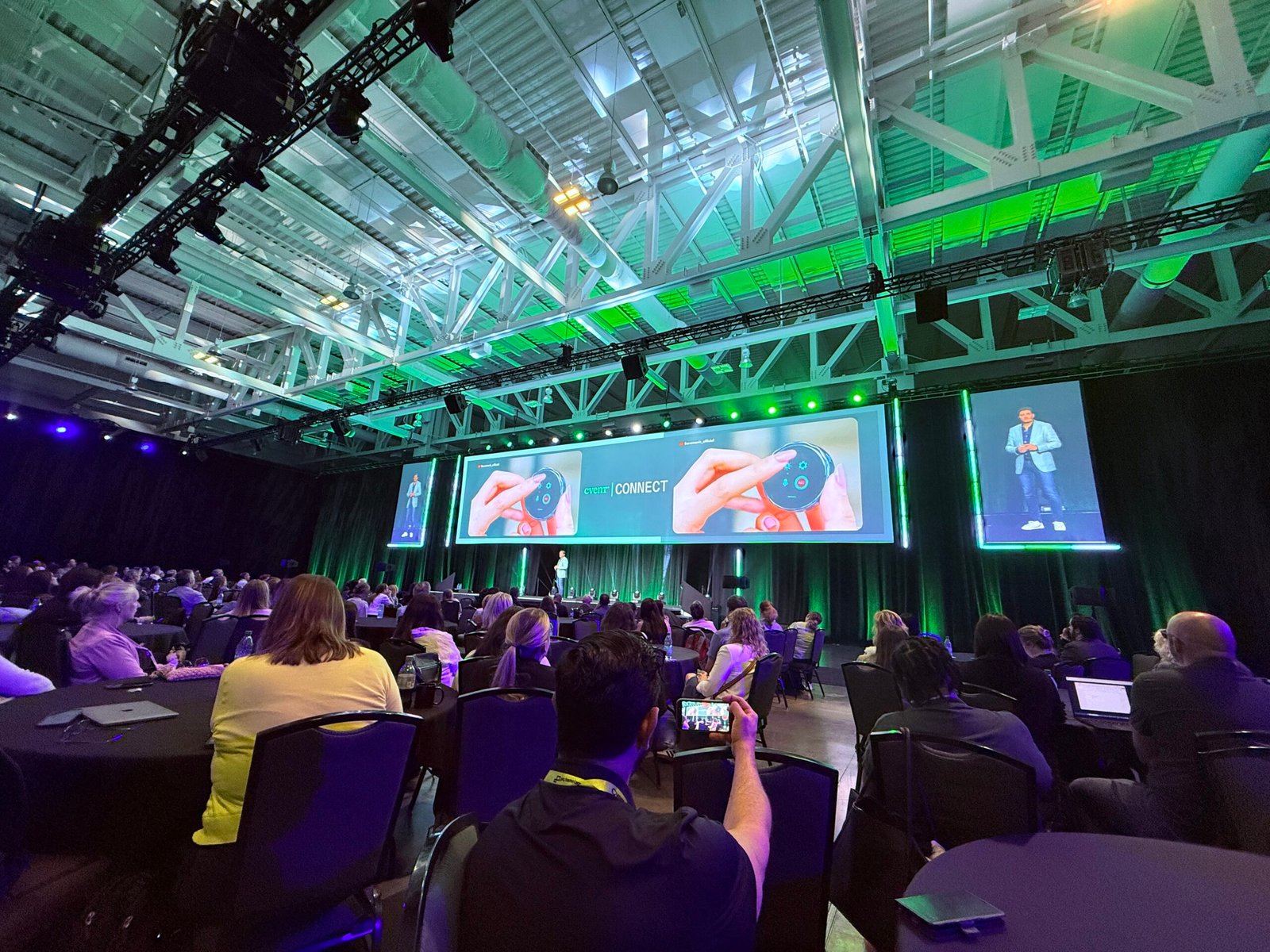
Cvent Connect Conference

Stay Updated

New capabilities will move from this page’s Q3 and Q4 sections into “Live now” throughout the rest of 2026. Two ways to stay ahead of it:

  • Subscribe to our newsletter for updates the moment a status changes on this page.
  • Get a readiness audit. If your team wants to know exactly which of these capabilities are worth adopting now versus waiting on, that’s a conversation, not a table.

FAQs

What was announced at Cvent CONNECT 2026? Cvent announced more than 70 product innovations, including 34 new AI capabilities, backed by a $1 billion multi-year investment. Major announcements included the Cvent Assistant, CventIQ Skills, a Unified Event List, a Passkey room-block overhaul, and a full company rebrand around the concept of the Presence Premium.

Is everything from Cvent CONNECT 2026 available now? No. Several capabilities are live today, others entered beta in July 2026, and several major features — including the Unified Event List and the full Cvent Assistant attendee-management flow — are confirmed for Q3 or Q4 2026. See the status table above for the current breakdown.

How often is this page updated? This page updates as Cvent capabilities move between beta and general availability, or as timelines change. Check the changelog above for the most recent update.

Where can I read more about a specific Cvent CONNECT 2026 announcement? See the Deep-Dive Directory above — every capability links to a full breakdown covering what it does, its real status, and how to prepare for it.

Cvent CONNECT 2026: Everything Announced (Living Roadmap Tracker) Read More »
Cvent Implementation | Cvent Connect | AttendeeGain

The Cvent Implementation Checklist (2026 Edition, Including AI Setup)

Cvent Implementation | Cvent Connect | AttendeeGain

Quick Answer

A Cvent implementation checklist covers seven phases: discovery and scoping, core platform configuration, integrations and data migration, testing and UAT, onsite and mobile setup, training and go-live, and post-launch optimization. A typical implementation runs 6 to 10 weeks depending on complexity, longer for multi-region or highly customized programs. Below is the full phase-by-phase breakdown, the pitfalls that derail most projects, and where the new AI features fit into your setup — not just the registration build most checklists stop at.

Key Takeaways

  • A full Cvent implementation typically takes 6–10 weeks, though complex multi-region programs run longer.
  • The biggest pitfall isn’t the platform build — it’s skipping a dedicated UAT phase and finding logic errors after launch instead of before it.
  • Historical data cleanup matters more in 2026 than it used to, since CventIQ’s AI features perform only as well as the data behind them.
  • Most teams underestimate ongoing ownership. Someone needs to own template, user, and integration management after the vendor project ends — or budget for a managed services retainer instead.
  • We built this checklist to be phase-by-phase and bookmarkable, not a wall of generic best practices.

Phase 1: Discovery & Scoping (Weeks 1–2)

Get this phase right, and everything downstream moves faster.

  1. Define every event type you’ll actually run through Cvent — conferences, webinars, roadshows, trade shows. Each has different configuration needs.
  2. Inventory your current tools and data. List everything you’re migrating from or connecting to: your CRM, your existing registration tool, your marketing automation platform.
  3. Map stakeholders and approval workflows. Decide who owns budget sign-off, who owns registration logic, and who owns reporting before configuration starts, not after.
  4. Scope your integrations explicitly. Salesforce, HubSpot, Marketo, and payment processors all need field-mapping decisions made up front.

Phase 2: Core Platform Configuration (Weeks 2–5)

This is where most of the actual build happens.

  1. Registration module setup — conditional logic, multi-track builds, payment processing, and custom confirmation flows.
  2. Email workflow configuration, tied to your registration logic and approval stages.
  3. Housing, budgeting, and reporting modules, configured to match your existing financial and operational processes.
  4. Brand templates, built once and reused across every future event rather than rebuilt each time.
  5. User roles and permissions, set deliberately rather than defaulting everyone to admin access.

Phase 3: Integrations & Data Migration (Weeks 4–6)

Run this in parallel with Phase 2 wherever possible.

  1. CRM sync configuration — Salesforce, HubSpot, or Marketo, mapped to your actual sales and marketing workflows.
  2. Integration sync verification. Confirm data actually flows correctly in both directions before you trust it.
  3. Historical data cleanup, if you’re migrating from another platform. This step gets skipped constantly, and it’s the one that causes the most pain later — both for reporting accuracy and for how well CventIQ’s AI features perform once you turn them on.

Phase 4: Testing & UAT (Weeks 6–7)

Don’t skip this phase to hit a deadline. It’s the cheapest insurance in the whole project.

  1. End-to-end test registrations, run by someone outside the build team.
  2. Logic validation across every conditional path, not just the default flow.
  3. Payment flow checks, tested with real payment methods, not just the sandbox.
  4. A guided UAT walkthrough with your full team before go-live, so surprises surface internally instead of in front of attendees.
Cvent Onsite| Cvent Connect | AttendeeGain

Phase 5: Onsite & Mobile Setup (Weeks 6–8, if applicable)

Skip this phase entirely if your program is fully virtual.

  1. OnArrival deployment — badge templates, self-service kiosks, mobile check-in, and session-scanning configuration.
  2. Mobile event app setup, branded and connected to your registration data.
  3. Onsite staffing plan, including who troubleshoots badge printing and check-in issues live.

Phase 6: Training & Go-Live (Week 8+)

  1. Platform walkthroughs and live training sessions for every admin and coordinator who’ll touch the system.
  2. Custom SOPs, written around your specific templates and workflows, not generic Cvent documentation.
  3. A post-training support period, so new admins have somewhere to go when they hit their first real problem.

Phase 7: Post-Launch Optimization (Ongoing)

  1. Custom dashboards and automated report scheduling, set up before your first event rather than built ad hoc afterward.
  2. Registration funnel analysis, reviewed after every event to catch drop-off points.
  3. Decide your ongoing ownership model. Some teams keep a dedicated in-house admin; others move to a managed services retainer where an outside team builds events, maintains templates, and runs integrations on an ongoing basis. Both work — but decide deliberately, rather than letting ownership fall through the cracks after launch.

The Full Timeline at a Glance

Phase Typical Duration Who Owns It
1. Discovery & Scoping Weeks 1–2 Project lead + stakeholders
2. Core Platform Configuration Weeks 2–5 Implementation team / admin
3. Integrations & Data Migration Weeks 4–6 (parallel to Phase 2) IT + platform admin
4. Testing & UAT Weeks 6–7 Full team, outside the build group
5. Onsite & Mobile Setup Weeks 6–8 (if applicable) Onsite/ops lead
6. Training & Go-Live Week 8+ Admin team + end users
7. Post-Launch Optimization Ongoing Dedicated admin or managed services partner

Note the overlap between Phases 2 and 3 — running configuration and integration work in parallel is usually the single biggest timeline saver, provided both teams stay in sync on field mapping.

Common Pitfalls That Derail Implementations

  • Skipping historical data cleanup. This breaks reporting accuracy and limits how well AI features like CventIQ can perform later.
  • Under-scoping integrations. CRM sync issues that surface post-launch are far more expensive to fix than issues caught during Phase 3.
  • No dedicated UAT phase. Teams that skip this find their logic errors in front of attendees instead of testers.
  • Treating implementation as one-and-done. Nobody owns template updates, user management, or integration maintenance once the project technically “ends.”
  • Ignoring AI readiness until it’s too late. Teams that don’t clean their data or plan permissions early get caught flat-footed when Q3 2026’s CventIQ features actually ship.
Cvent AI | Cvent Connect | AttendeeGain

Where AI and CventIQ Setup Fits

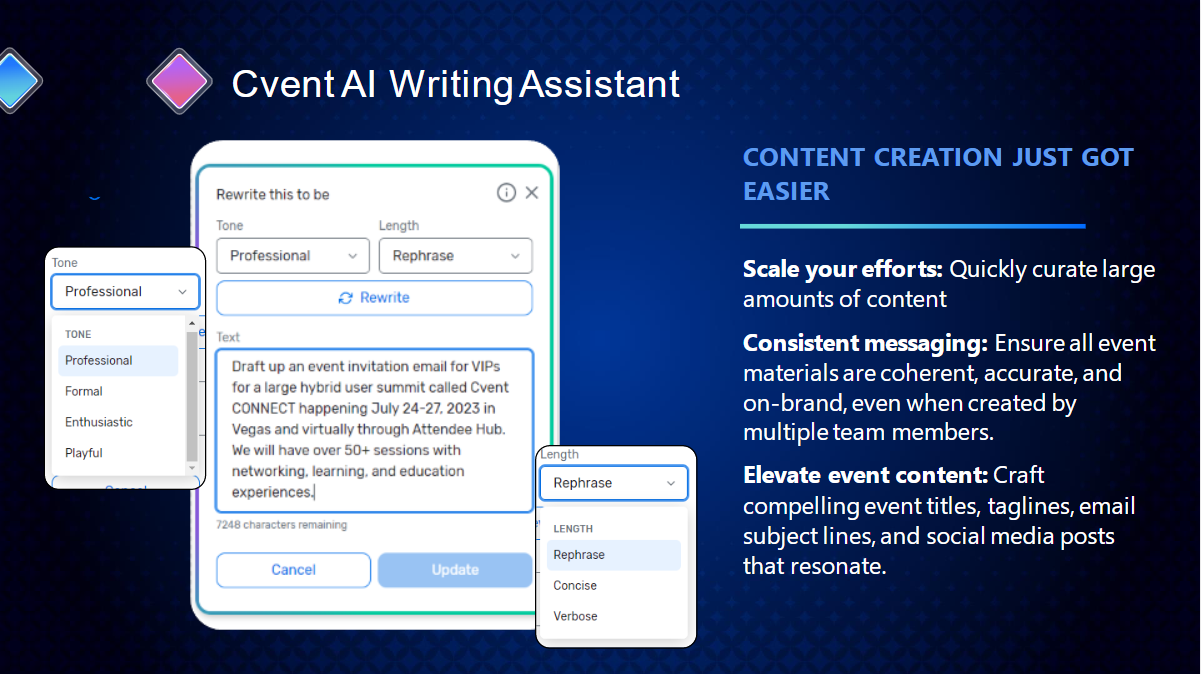
The 2026 wave of Cvent AI features doesn’t require a separate implementation project, but it does require groundwork most teams don’t plan for during their initial build. Fold these into Phase 3 and Phase 7 rather than treating them as a future problem:

  • Clean, structured historical data (the same data hygiene work as Phase 3, done with AI performance in mind).
  • Early beta enrollment for live features like Insights and Survey Feedback Insights.
  • A documented plan for populating the Program Knowledge Base once it ships in Q4 2026.
  • A data governance review, since CventIQ runs on third-party AI models.

For the full breakdown of what to configure and why, see our CventIQ explainer. And if your organization runs webinars, roadshows, or trade shows through separate tools today, build your migration plan around Cvent’s Unified Event List rather than implementing each event type as a separate project.

Where to Go From Here

This checklist covers the framework. The actual work — field mapping, UAT scripting, SOP writing — is where most projects actually slow down. For the complete, continuously updated status of everything Cvent has announced for 2026, see our CONNECT 2026 roadmap hub.

FAQ

How long does a Cvent implementation take? A typical implementation runs 6 to 10 weeks, covering discovery, configuration, integrations, testing, and training. Multi-region programs or heavy customization can extend that timeline significantly.

What are the phases of a Cvent implementation? Seven phases: discovery and scoping, core platform configuration, integrations and data migration, testing and UAT, onsite and mobile setup, training and go-live, and post-launch optimization.

What’s the biggest mistake teams make during Cvent implementation? Skipping a dedicated UAT phase. Teams that go straight from configuration to launch tend to discover logic errors and integration issues in front of live attendees instead of catching them in testing.

Do I need to prepare for AI features during implementation? Yes, if you plan to use CventIQ features later. Clean historical data, early beta enrollment, and a data governance review all belong in your initial implementation rather than being addressed after the fact.

Should I hire an implementation partner or do it in-house? Depends on team bandwidth and platform complexity. Straightforward, single-event-type programs can often go in-house. Multi-event-type, multi-integration, or fast-timeline projects usually move faster with a dedicated implementation partner.

The Cvent Implementation Checklist (2026 Edition, Including AI Setup) Read More »

An Insiders View - The thought Behind Cvent’s Rebrand

I Left Cvent. Then I Came Back and Found the Company Making a Promise.

Abhishek Kapoor at Cvent Connect

An ex-insider’s read on the Cvent rebranding — what the new identity actually signals for event profs, Cvent experts and the wider MICE industry.

There was something slightly surreal about walking into Cvent CONNECT this year.

It was my first Cvent CONNECT since leaving Cvent. For years, this wasn’t a platform I used — it was a significant part of my professional life. I worked inside the ecosystem, alongside some of the sharpest Cvent experts in the business. I understood the product from the operational side. I saw how event teams actually used the technology, where they got stuck, and what they quietly worked around. I watched the company move through several different chapters of this industry.

So walking back in — not as an employee, but as someone looking at Cvent from the outside — gave me a very different vantage point.

And the first thing I noticed wasn’t the product.

It was the green.

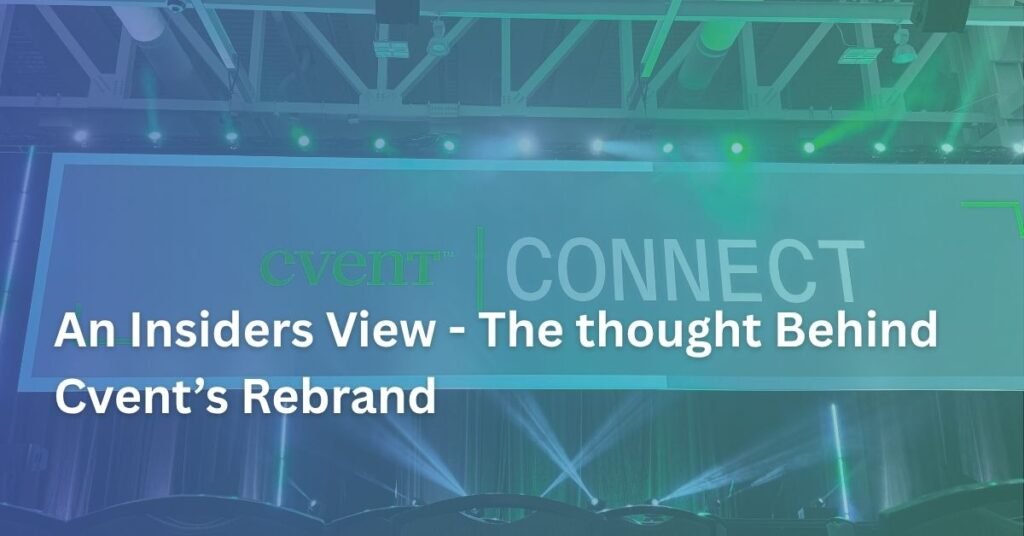
You don’t ease into a rebrand at this scale. You walk into a room and it’s already everywhere.

Green is the outcome. The blueprint is the craft

At first glance, the Cvent rebranding reads as a visual exercise — a big company deciding it was time to look newer. The longer I looked, the more I thought the colour was doing real strategic work.

Performance green. Go, growth, momentum, a positive result. Amy Lucia, Cvent’s CMO, put it best in her post on the rebrand when she asked whether anyone else relates to a CMO who wants every metric on her scorecard to turn green. That’s exactly the right instinct, because it’s the colour you want to see when you’re staring at a dashboard asking whether you’re moving in the right direction.

But the detail I found more interesting was the one most people walked past: the linework running through the new graphic system is drawn from room diagramming layouts and blueprints.

Look at the corners of the frame. That’s the blueprint system, hiding in plain sight on every screen in the building.

That’s the half of the story that speaks to anyone who has actually built an event. Green is the outcome. The blueprint is the craft. Every event — in person, digital, 80 people or 8,000 — begins as a plan on a page, drawn by someone thinking hard about how a room should feel. A brand system that holds both the result and the work behind it is a brand system built by people who know what this job involves.

(There’s a third detail for anyone who enjoys this sort of thing: the shortened crossbar on the wordmark’s “T” is a deliberate nod to technology. Every element here was argued about. You can tell.)

Cvent Connect Conference

The Bar Cvent just set for itself

The line getting the most attention is the purpose statement: Let’s Show the World What Events Can Do.

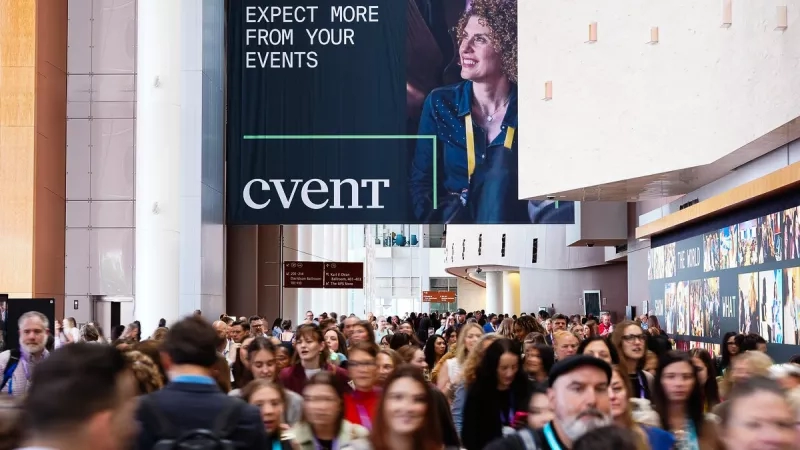
But the line that I think actually matters is the brand promise sitting alongside it: Expect More from Your Eventsâ„¢.

Read that again, because it cuts both ways.

Yes, it’s a challenge to event profs — expect more from what your events achieve, stop settling for attendance as the headline number. But it is also, unavoidably, an invitation for customers to expect more from the platform running those events. You cannot tell an industry to raise its standards without raising the standard you’re measured against.

A promise this specific is a promise customers get to hold you to.

That’s a genuinely bold thing for a market leader to say out loud. Most incumbents avoid promises that can be checked.

And this one comes attached to a number: a commitment to invest a billion dollars in technology innovation over the next three years. That’s what converts a tagline into something with consequences. Brand language is cheap. Capital allocation isn’t.

What customers actually asked for

The part of Amy’s post I’d point people to is the section on how this was built. Cvent worked with Wolff Olins, took in more than 1,500 external inputs, and pulled a group of customers in close. Those customers came back with three things: keep us at the centre, simplify so we can get our arms around everything you offer, and modernize how you show up.

Sit with the middle one for a second.

Simplify so we can get our arms around everything you offer.

Any of the Cvent experts who have worked deep inside this ecosystem know precisely what that means. Registration. Websites. Email. Attendee experience. Onsite technology. Meetings. Lead capture. Reporting. Integrations. And now a rapidly expanding AI layer sitting across all of it.

The challenge for Cvent has not been whether it has enough capability. It hasn’t been that for years. The challenge is how all that capability comes together into an outcome an event prof can understand, measure and act on without needing a certification to get there.

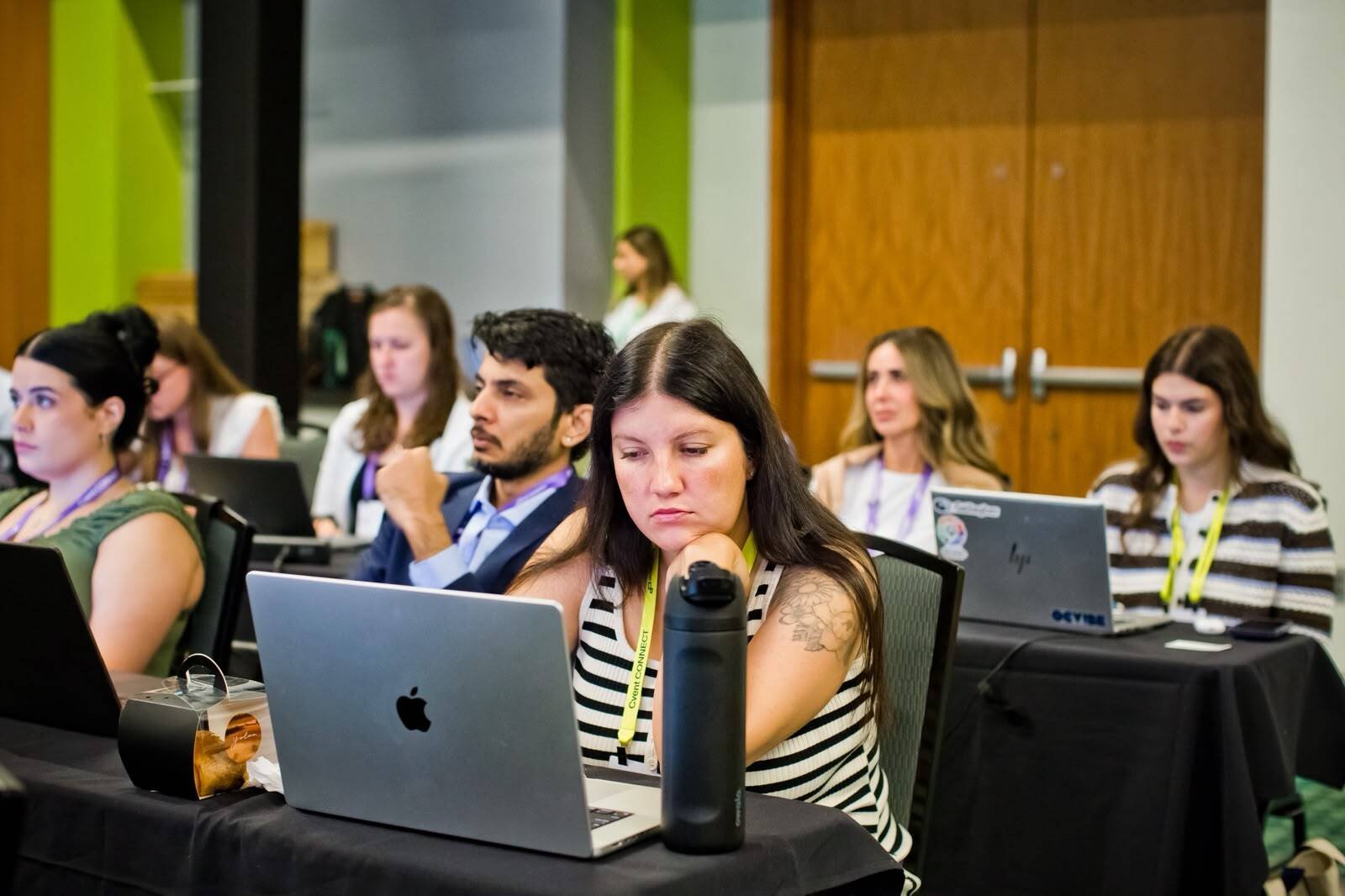
This is where the “simplify” feedback comes from. Not a boardroom — a breakout room, laptops open, people trying to make it all fit together.

Customers said it plainly. Cvent published it. That takes some confidence, and it tells you the rebrand started somewhere more uncomfortable than a colour palette.

From event management to event performance

For a long time, the event technology conversation was about execution. Can I build the registration flow? Can I launch the website? Can I manage the attendees, run the onsite experience, capture the leads, report on who showed up?

Those things still matter. They will always matter. But the centre of gravity has moved across the whole MICE industry, and the reason is not subtle: the bar for justifying event spend has never been higher. Finance wants proof. Boards want data. “We had record attendance” is not an answer to “what did this return?”

So the next generation of event technology has to sit much closer to business strategy. It needs to understand the intent behind an event, help teams execute faster, connect activity across the full lifecycle, and ultimately help demonstrate whether the thing worked.

This is where AI gets interesting to me — not as a feature list, but as a redistribution of effort. AI can absorb the friction of execution. Humans get to focus on what made events valuable in the first place: the conversations, the relationships, the decisions that move six months faster because two people finally met, the unexpected connections nobody put in the run of show.

Several thousand people who could have watched this on a livestream, in a room, watching it live instead. That’s the whole argument.

Cvent has a name for this now — the Presence Premium — and the argument is that as digital experiences get easier and cheaper to manufacture, being in a room together becomes worth more, not less. I’d been arriving at the same conclusion from the operational side for a while. It’s rare and slightly disorienting to see your own working theory show up as someone else’s keynote.

Cvent Rebranding | Cvent Connect

The Honest Part

I think the Cvent rebranding is directionally right. I also think it’s the beginning of the hard bit, not the end of it.

“Outcomes, not attendance” is currently being said by everyone in event technology, and by most of the MICE industry alongside them. As positioning, it is no longer a differentiator — it’s table stakes. The differentiator is whether you can actually deliver the attribution, and attribution in events is genuinely difficult. Influence is diffuse. Deal cycles are long. The moment that changed someone’s mind rarely leaves a clean data trail.

Naming that problem is not the same as solving it. Solving it is years of product, data and ecosystem work.

But that’s also the strongest argument in Cvent’s favour, and it’s the one the new identity is quietly built on: depth of data, breadth of ecosystem, and twenty-five years of watching how this industry actually operates. If anyone is positioned to make event performance provable rather than merely assertable, it’s the company with the largest view of the problem

Coming back was the best way to see it

Had I still been inside, I think I’d have experienced all of this as another company milestone. Big stage, new logo, back to work.

Leaving changed the question I was asking. When you’re inside, you see product, teams, roadmaps and the daily grind of execution. When you step out, you see the market, the customers, the competitors, and how the brand actually lands on people who don’t already know the story.

So I walked in asking: if I didn’t already know this company, what would it tell me it stands for?

The old answer was, roughly, “we make event software.”

The new one is closer to: we’ll help you prove what your events are worth.

That’s a much better story — and a much harder promise.

The future of events was never about proving that events can happen. Event profs solved that a long time ago. The future is about proving why they matter, to the people holding the budget and asking the difficult questions.

Green is the signal that something is working.

Now comes the part where the industry has to show it.

I Left Cvent. Then I Came Back and Found the Company Making a Promise. Read More »
Virtual Platforms

Driving Networking Opportunities with Virtual Platforms

Networking is a cornerstone of any successful event. However, the shift toward virtual platforms has transformed how attendees connect. With the right strategies and tools, virtual platforms can foster meaningful connections and enhance the overall event experience. Let’s dive into how you can leverage these platforms to create outstanding networking opportunities.

Why Networking is Key to Event Success

Networking is not just about exchanging contact details; it’s about building relationships, sharing knowledge, and creating opportunities. Whether your event is a conference, trade show, or workshop, attendees seek connections that add value. Virtual platforms, when used effectively, can meet these expectations and even surpass traditional methods.

How Virtual Platforms Enhance Networking

How Virtual Platforms Enhance Networking
  • Global Connectivity: Virtual platforms break down geographical barriers, allowing attendees from around the world to interact seamlessly. This global reach expands networking possibilities exponentially. By integrating features like time zone scheduling, you can ensure everyone has a chance to connect.
  • Advanced Matching Algorithms: Many platforms use AI-driven matching tools to pair attendees based on shared interests or goals. For example, apps developed by
    BrandWorks can tailor such matchmaking algorithms to suit your event’s niche.
  • Engaging Breakout Rooms: Breakout sessions offer smaller, focused discussions, helping attendees network in a more meaningful way. Platforms like Zoom and Hopin excel in creating these micro-communities.

Interactive Features That Drive Engagement

Incorporating interactive features on your virtual platform boosts attendee engagement:

  • Live Chat and Q&A: Let participants ask questions and share insights in real-time.
  • Gamification: Reward attendees for connecting with others. Platforms developed by AttendeeGain specialize in gamified networking elements that keep interactions fun and productive.
  • Profile Customization: Allow attendees to create detailed profiles showcasing their interests, expertise, and objectives.

Best Practices for Virtual Networking

Best Practices for Virtual Platforms Networking
  • Pre-Event Engagement: Engage attendees before the event starts. Use surveys or discussion boards to warm them up for meaningful conversations.
  • Facilitate Icebreakers: Initiate icebreakers like quick polls or trivia quizzes during the event to encourage interaction.
  • Provide Networking Agendas: Include networking sessions in the event schedule, ensuring attendees allocate time specifically for making connections.
  • Offer Post-Event Networking: Keep the conversation alive even after the event ends. Use tools like private chat groups or shared documents to extend the networking opportunities.

Case Studies: Virtual Networking Done Right

  • TechConnect Summit: Utilized AI-powered networking tools to match tech professionals with investors, leading to over 200 collaborations.
  • Global Educators Conference: Integrated breakout rooms to foster discussions on specialized topics, creating a network of educators spanning five continents.

The Future of Virtual Networking

The Future of Virtual Networking | Virtual Platforms

As virtual platforms evolve, networking opportunities will become even more sophisticated. Features like virtual reality meetups, AI-powered icebreakers, and interactive avatars are already gaining traction. Partnering with innovative providers like BrandWorks ensures your event stays ahead of the curve.

Conclusion


Virtual platforms are redefining the way people network, making connections more accessible and impactful than ever. By embracing these tools and strategies, you can create an event experience that resonates deeply with attendees. Whether you’re hosting a small webinar or a global conference, the possibilities for meaningful networking are endless.

Ready to revolutionize networking for your next event? Explore custom solutions with
AttendeeGain or
BrandWorks today!

Picture of Abhishek Kapoor

Abhishek Kapoor

Abhishek Kapoor is the founder and creative head of BrandWorks Worldwide. His is an ex-Cvent and has worked in the event space for the last 13 years, providing branding and registration expertise to many clients globally.

Driving Networking Opportunities with Virtual Platforms Read More »

efficient event check-in

Smooth Sailing: Ensuring an Efficient Event Check-In Process

The check-in process sets the tone for your entire event. A smooth, efficient experience can boost attendee satisfaction right from the start, while delays and inefficiencies risk dampening the mood. In this post, we’ll walk through the key strategies and tools you need to streamline registration and check-in for a seamless attendee experience. Let’s dive in!

Why Efficient Check-In Matters

The check-in stage is often the first interaction attendees have with your event, making it a crucial element for setting expectations. A well-organized check-in reassures attendees that the event will be worth their time. Conversely, long waits or technical issues may discourage people from attending future events. Investing time and resources into a smooth check-in process is essential for establishing trust and enhancing the attendee experience.

1. Offer Pre-Event Registration Options

Pre-event registration allows attendees to sign up and provide essential information in advance, significantly reducing bottlenecks on event day. This data not only speeds up the check-in process but also gives you a clear picture of how many guests to expect. Additionally, consider partnering with services like AttendeeGain for efficient registration management. AttendeeGain’s user-friendly platform helps streamline registrations and organize attendee information, ensuring a hassle-free experience from start to finish.

2. Digital Check-In: Embrace the Power of Technology

Technology has revolutionized event management, making it easier than ever to process large numbers of attendees efficiently. Digital check-in platforms, such as QR code scanning systems, enable quick and contactless entry. This minimizes waiting time and ensures that guests can access the event immediately. Platforms like BrandWorks can help you develop custom apps for your event, providing not only digital check-in capabilities but also personalized schedules, reminders, and push notifications for attendees.

3. Use Mobile Check-In Solutions

Mobile check-in solutions are perfect for events where speed and convenience are priorities. These solutions allow guests to check in through their mobile devices, reducing wait times and allowing staff to assist elsewhere. A custom mobile app—like those available through BrandWorks—enables attendees to self-check in, navigate the venue, and even receive real-time event updates.

4. Train Your Staff

Train Your Staff for efficient event check-in

Your staff plays an integral role in ensuring a smooth check-in process. Conducting thorough training sessions before the event is key to making sure staff members are familiar with the check-in systems, troubleshooting procedures, and attendee flow. Assign designated check-in managers to guide attendees and resolve issues quickly, preventing bottlenecks and maintaining a positive experience.

5. Plan for Multiple Check-In Points

If you anticipate a large crowd, set up multiple check-in stations to prevent long lines. By segmenting check-in areas based on attendee type (VIP, general admission, speakers, etc.), you can avoid congestion and keep the lines moving. To enhance efficiency, use signage to guide attendees to the appropriate line, and consider dividing check-in stations by last name or ticket type.

6. Offer Self-Check-In Kiosks

For larger events, self-check-in kiosks can be a lifesaver. These kiosks allow attendees to check themselves in, freeing up staff to assist with other tasks. This is especially useful during peak arrival times when long lines can form. If you choose this route, ensure kiosks are positioned in convenient locations and offer user-friendly instructions. Self-check-in kiosks are a cost-effective solution that can make a lasting impression on attendees.

7. Use Analytics to Continuously Improve

Using Analytics for efficient event check-in

After the event, review check-in analytics to identify areas for improvement. Analyzing wait times, check-in flows, and peak entry times can provide insights for future events. Solutions like AttendeeGain offer data tracking capabilities that allow you to evaluate the efficiency of your check-in process. With these insights, you can make data-driven adjustments to ensure a seamless check-in at your next event.

8. Prioritize Customer Service

Even with the most advanced check-in systems, customer service remains essential. Attendees should feel welcomed and supported from the moment they arrive. Ensure staff members are easily identifiable and accessible to answer questions, address issues, and provide directions. A personal touch goes a long way in enhancing the overall experience, reinforcing positive feelings about your event.

Conclusion

Simplifying the check-in process is key to creating a positive event experience. With thoughtful planning, advanced technology, and data-driven insights, you can streamline check-in and keep attendees happy. By investing in efficient check-in processes, you set the stage for a successful and memorable event.

Want more insights? Visit AttendeeGain for expert resources on event management, or explore BrandWorks for app development solutions that elevate the attendee experience.

Picture of Abhishek Kapoor

Abhishek Kapoor

Abhishek Kapoor is the founder and creative head of BrandWorks Worldwide. His is an ex-Cvent and has worked in the event space for the last 13 years, providing branding and registration expertise to many clients globally.

Smooth Sailing: Ensuring an Efficient Event Check-In Process Read More »

Event Branding

Stand Out: Creating Unique Event Branding That Captivates

In today’s competitive landscape, event branding is not just an option; it’s a necessity. Unique branding helps your event stand out and ensures it leaves a lasting impression on attendees. In this blog post, we will explore the key elements of effective event branding, share actionable tips, and highlight how you can leverage the power of branding to enhance your event experience.

The Importance of Event Branding

Importance of Event Branding

First and foremost, event branding establishes the identity of your event. A strong brand can create anticipation and excitement, making attendees more likely to engage and participate. According to a study by Eventbrite, 70% of attendees say that branding influences their decision to attend an event. Thus, understanding your audience and what resonates with them is essential.

Know Your Audience

To craft compelling event branding, begin by understanding who your target audience is. Conduct surveys, focus groups, or utilize social media insights to gather information. For instance, if you’re hosting a tech conference, your branding should reflect innovation, creativity, and modernity. Similarly, a charity gala might benefit from a more elegant and sophisticated design.

Create a Memorable Theme

Next, consider developing a theme that encapsulates the essence of your event. A well-defined theme ties together various elements, including visuals, messaging, and experiences. For example, if your event focuses on sustainability, your branding could incorporate earthy tones and eco-friendly materials. Resources like Canva provide templates that help visualize your theme, making the design process easier.

Consistency Across Channels

Consistency is key when it comes to branding. Ensure that your event branding is coherent across all channels, including your website, social media, and printed materials. This consistency helps reinforce your message and makes it more recognizable. Utilize tools like Hootsuite for social media management to maintain a uniform brand presence across platforms.

Engage Attendees Before, During, and After the Event

Branding should not stop at the event. Engage your attendees throughout their journey. Use email campaigns to keep them informed and excited before the event. During the event, create immersive experiences that align with your branding. Post-event, follow up with personalized thank-you notes, and encourage attendees to share their experiences on social media.

For example, consider using AttendeeGain for managing attendee engagement and feedback, ensuring that your brand remains at the forefront of their minds long after the event has ended.

Leverage Technology for Enhanced Branding

Leverage Technology for Enhanced Event Branding

Technology can significantly enhance your branding efforts. From mobile apps to interactive kiosks, incorporating tech can create a more engaging experience for attendees. Custom apps, like those developed by BrandWorks, can facilitate networking, provide real-time updates, and offer personalized agendas, all while reinforcing your event’s branding.

Utilize Visual Storytelling

Visuals play a critical role in branding. Incorporate high-quality images, videos, and graphics that resonate with your audience and convey your message effectively. Tools like Adobe Spark can help you create eye-catching visuals that align with your brand’s theme and message.

Conclusion

In conclusion, creating unique event branding is vital for capturing the attention of your audience and ensuring a memorable experience. By knowing your audience, establishing a consistent theme, engaging attendees throughout their journey, and leveraging technology, you can create impactful branding that resonates with your audience. Start implementing these strategies today to elevate your event and leave a lasting impression.

Picture of Abhishek Kapoor

Abhishek Kapoor

Abhishek Kapoor is the founder and creative head of BrandWorks Worldwide. His is an ex-Cvent and has worked in the event space for the last 13 years, providing branding and registration expertise to many clients globally.

Stand Out: Creating Unique Event Branding That Captivates Read More »

Sponsorship Packages That Work: Maximizing Your Event’s Potential

In the world of event planning, creating effective sponsorship packages is crucial for maximizing your event’s potential. Not only do well-structured sponsorship opportunities provide essential funding, but they also enhance the overall experience for attendees. By understanding what sponsors want and aligning those interests with your event’s goals, you can create compelling packages that drive revenue and foster lasting partnerships. Here are several strategies to help you design sponsorship packages that truly work.


Understand Your Audience

Understand Your Audience and sponsorship

Before you approach potential sponsors, it’s essential to have a clear understanding of your audience. Who attends your event? What are their interests? What industry trends can you leverage? By gathering data on attendee demographics and preferences, you can tailor your sponsorship packages to align with sponsors’ goals. For instance, if your audience is primarily tech-savvy millennials, targeting tech companies as sponsors may yield the best results. You can utilize tools like Google Analytics to gain insights into your audience’s behavior and preferences.

Craft Customized Packages

Before you approach potential sponsors, it’s essential to have a clear understanding of your audience. Who attends your event? What are their interests? What industry trends can you leverage? By gathering data on attendee demographics and preferences, you can tailor your sponsorship packages to align with sponsors’ goals. For instance, if your audience is primarily tech-savvy millennials, targeting tech companies as sponsors may yield the best results. You can utilize tools like Google Analytics to gain insights into your audience’s behavior and preferences.

Highlight the Value Proposition

Clearly communicate the value proposition of your sponsorship packages. What benefits will sponsors gain from their investment? This could include exposure to a specific target audience, brand recognition, or networking opportunities. Make sure to highlight success stories from past sponsors, illustrating how your event helped them achieve their marketing goals.

Additionally, leverage platforms like BrandWorks for branding support. By showcasing how previous sponsors have effectively engaged with attendees through unique branding and marketing strategies, you can build trust and credibility with potential sponsors.

Utilize Digital Marketing Strategies

In today’s digital landscape, it’s essential to incorporate digital marketing strategies into your sponsorship packages. Offer sponsors opportunities for online promotion, such as social media mentions, email marketing features, and website banners. By doing so, you expand their reach beyond the event itself, making your packages more enticing.

Consider collaborating with influencers or utilizing social media advertising to amplify your sponsors’ visibility. An integrated approach can enhance the overall impact of your sponsorships, leading to higher engagement rates and, ultimately, more satisfied sponsors.

Create Engaging Content

Content is king, and it plays a pivotal role in attracting sponsors. Develop high-quality content that resonates with both your audience and potential sponsors. This includes blog posts, videos, and infographics that align with your event’s theme. By positioning your event as a thought leader in your industry, you increase its attractiveness to sponsors seeking to align with innovative and engaging content.

Moreover, consider offering exclusive content to sponsors that they can share with their audiences, further extending the reach of your event. This reciprocal relationship can foster strong partnerships that benefit both parties.

Follow Up and Measure Success

Follow Up and Measure Success with the sponsors

After your event, don’t forget to follow up with your sponsors. Gather feedback on their experience and discuss how they felt their investment paid off. This is crucial for building long-term relationships. Moreover, measuring the success of your sponsorship packages through key performance indicators (KPIs) can help you refine your offerings for future events.

Using tools like Eventbrite to track registration and attendance data can provide valuable insights into the effectiveness of your sponsorship packages. Additionally, sharing this data with your sponsors demonstrates your commitment to their success and opens the door for future collaborations.

Conclusion

Creating effective sponsorship packages is an art that requires a deep understanding of both your audience and potential sponsors. By customizing offerings, highlighting value propositions, and leveraging digital marketing strategies, you can develop packages that not only drive revenue but also enhance the overall event experience. Remember, the goal is to build lasting partnerships that benefit both you and your sponsors. Start implementing these strategies today, and watch your event’s potential soar!

Picture of Abhishek Kapoor

Abhishek Kapoor

Abhishek Kapoor is the founder and creative head of BrandWorks Worldwide. His is an ex-Cvent and has worked in the event space for the last 13 years, providing branding and registration expertise to many clients globally.

Sponsorship Packages That Work: Maximizing Your Event’s Potential Read More »

Event Registration

Choosing the Right Registration Platform: A Planner’s Guide

Choosing an effective registration platform is crucial for creating a seamless experience for your attendees and managing data efficiently. With so many options on the market, understanding which features matter most can be daunting. This guide explores essential factors to consider when selecting a platform, ensuring your event’s success from the very start.


Understanding Your Event’s Needs

Understanding Your Event’s Needs for the registration

The right registration platform should align with your event’s unique requirements. Are you hosting a corporate seminar, a virtual trade show, or a multi-day conference? Each type of event will demand specific capabilities. Begin by assessing:

  • Event Size: Larger events might benefit from platforms that handle high traffic volumes and offer advanced reporting features.
  • Event Format: For hybrid or virtual events, opt for platforms that support seamless digital attendance.
  • Attendee Demographics: If you anticipate international participants, look for multi-currency and language support.

Key Features to Look For

When evaluating registration platforms, certain features can make all the difference. The right tool will simplify attendee registration and deliver a smooth user experience. Here are some must-haves:

Customizable Forms and Branding

Brand consistency helps your event stand out and builds trust. Choose a platform that offers customizable forms and lets you integrate your brand colors, logos, and messaging. Not only does this create a cohesive look, but it also enhances your brand’s credibility.

Secure Payment Processing

A reliable payment gateway is essential. Look for platforms with secure, PCI-compliant processing to safeguard attendee data and offer various payment methods, including credit cards, PayPal, and even cryptocurrency if needed. For more information on secure payment practices, check out Payment Card Industry Security Standards Council.

Automated Confirmation Emails

Automated emails simplify communication by providing attendees with timely updates. Ensure the platform supports:

  • Confirmation Emails: An immediate acknowledgment upon registration.
  • Reminder Emails: To reduce no-shows, send reminders before the event.
  • Follow-Up Emails: Capture attendee feedback and future interest.

Integration with Other Event Management Tools

Integration with Other Event Management Tools for registration

A powerful registration platform should connect seamlessly with other tools, such as CRM systems, email marketing software, and analytics platforms. Integration ensures smoother operations, better data tracking, and effective post-event analysis.

CRM and Data Tracking

Integrating with your CRM allows for real-time updates on attendee information and helps you track interactions, making future engagement easier. Platforms like Salesforce and HubSpot offer robust CRM options to sync attendee data effortlessly.

Mobile Accessibility

A mobile-friendly platform is essential for attendees who prefer registering from their phones or tablets. Ensure the registration page is optimized for mobile devices, enabling a quick and seamless process across all screens.

Evaluating Pricing and Support

Cost considerations and support options should not be overlooked. Registration platforms often offer tiered pricing based on features, so align your choice with your budget and expected usage.

Transparent Pricing

Choose a platform with transparent, upfront pricing to avoid unexpected costs. Many platforms offer pricing based on event size, which can be beneficial for smaller events looking to keep expenses low.

Customer Support

Check whether the platform provides round-the-clock customer support, as technical issues can arise unexpectedly. Good customer support will ensure that both you and your attendees have a positive experience.

Popular Platforms and Reviews

With so many options, it’s useful to review some of the most trusted platforms in the industry:

  • Eventbrite: Known for its user-friendly interface and robust analytics.
  • Cvent: Offers a comprehensive suite for larger events, including advanced marketing and networking features.
  • Hopin: Designed for virtual and hybrid events, with a focus on interaction and engagement.

To dive deeper into event management software reviews, visit G2’s event management software section.

Testing and Feedback

Before fully committing to a platform, sign up for a trial or demo to test its features. Invite a few colleagues to try the registration process and provide feedback on usability, speed, and clarity.

Making the Final Decision

Selecting the best registration platform involves a mix of strategic thinking, attention to detail, and understanding attendee expectations. By prioritizing functionality, usability, and integration, you can confidently choose a platform that will set the stage for a successful event.

For more guidance on maximizing event success, AttendeeGain offers expert support and resources tailored to event planners.

Conclusion

Selecting the best registration platform involves a mix of strategic thinking, attention to detail, and understanding attendee expectatia

The registration process is often the first interaction attendees have with your event. Choosing the right platform ensures this interaction is smooth, memorable, and reflective of your brand. With careful evaluation, you can streamline registration, foster engagement, and set a strong foundation for your event’s success.

ons. By prioritizing functionality, usability, and integration, you can confidently choose a platform that will set the stage for a successful event. For more guidance on maximizing event success, AttendeeGain offers expert support and resources tailored to event planners.
Picture of Abhishek Kapoor

Abhishek Kapoor

Abhishek Kapoor is the founder and creative head of BrandWorks Worldwide. His is an ex-Cvent and has worked in the event space for the last 13 years, providing branding and registration expertise to many clients globally.

Choosing the Right Registration Platform: A Planner’s Guide Read More »

Event Videos

Why High-Quality Event Videos Are a Game Changer

In today’s digital age, video has become an essential tool for engagement. From live streaming to recap highlights, high-quality event videos help you expand your event’s impact far beyond the venue. Event videos are not just about visuals; they’re a means to captivate and connect with attendees, reach virtual audiences, and amplify your event’s reach across multiple platforms.

Enhancing Attendee Engagement Through Event Video

Creating video content during an event enhances audience engagement and provides immersive experiences. High-quality videos, whether capturing live moments or creating on-demand content, make audiences feel involved, even if they’re tuning in remotely. A well-produced video can create a sense of connection with attendees, sparking conversations and interactions. For example, short highlight videos or social media snippets can keep your audience engaged, even after the event has ended.

To explore ways to create such compelling videos, check out AttendeeGain’s Event Marketing Services, where we help events stand out through powerful video production.

The Value of Professional Production

Professional-quality event videos go beyond basic documentation; they tell a story and create an emotional connection. High-resolution visuals, sharp audio, and seamless editing all contribute to a polished look that reflects well on your brand. When audiences perceive quality, they’re more likely to engage and share. Videos with a professional touch are also more likely to be shared on social media platforms, further extending your reach.

For tips on professional video production for events, refer to this comprehensive guide on event videography.

Boosting Brand Awareness and Reach

Boosting Brand Awareness and Reach through event video

Videos are one of the most shareable forms of content. By creating short clips or highlight reels, you can encourage attendees and other users to share them across social media channels. This peer-to-peer sharing helps boost brand awareness organically and reaches a wider audience than traditional marketing methods. Social media platforms like Instagram, LinkedIn, and Facebook prioritize video content, so it’s a fantastic way to gain visibility.

Consider the example of how TED leverages video to reach global audiences by sharing event talks online.

Driving Registrations for Future Events

Another powerful aspect of event videos is their ability to inspire future attendance. Potential attendees who watch a professionally produced video get a taste of the energy, insights, and excitement they could experience in person. Showcase the best parts of your events to entice a larger audience for future gatherings.

Learn more about building effective event registration pages here.

Types of Event Videos to Consider

  • Promotional Trailers: Short videos that generate excitement leading up to the event.
  • Live Streams: Engaging virtual audiences in real-time.
  • Highlight Reels: Summing up the best moments to share across platforms.
  • Speaker Interviews: Offering insights and adding credibility to the event.
  • Attendee Testimonials: Providing social proof and connecting on a personal level.

By combining different formats, you can reach diverse audiences and keep your content fresh and engaging.

Getting Started: Finding the Right Partner

When it comes to producing event videos, finding a trusted partner makes all the difference. A professional video production company or an experienced event agency can bring creative ideas, technical expertise, and the right tools to capture your event’s essence. To create memorable event videos, partner with experts like BrandWorks, who specialize in crafting unique, branded event experiences.

Conclusion: Make Your Event Unforgettable with Video

Investing in high-quality event videos can drive lasting impact, extend reach, and foster engagement. Videos capture your event’s story, allowing you to connect with your audience both during and long after the event. Whether you’re building brand awareness or boosting future registrations, a well-produced event video can be a game changer. So, start planning your next event with video at the forefront, and watch your event engagement soar.

Picture of Abhishek Kapoor

Abhishek Kapoor

Abhishek Kapoor is the founder and creative head of BrandWorks Worldwide. His is an ex-Cvent and has worked in the event space for the last 13 years, providing branding and registration expertise to many clients globally.

Why High-Quality Event Videos Are a Game Changer Read More »

Event ROI

Maximize Your Event ROI: Proven Strategies for Planners

In today’s competitive events landscape, maximizing return on investment (ROI) has become essential for planners. By leveraging data, engaging your audience, and refining strategies, you can ensure every event not only meets but exceeds expectations. Let’s dive into actionable strategies to enhance your event’s ROI and secure long-term success.


1. Set Clear Goals and KPIs

Set Clear Goals and KPIs for ROI

Before diving into event planning, defining clear objectives is crucial. Whether it’s lead generation, brand awareness, or attendee engagement, a focused goal allows you to measure success effectively. Outline key performance indicators (KPIs) such as attendance rates, social media engagement, or post-event surveys to track your progress.

Consider reviewing Eventbrite’s guide to defining KPIs for additional insights on setting measurable goals.

2. Leverage Data-Driven Decisions

Data is a powerful asset in evaluating and boosting ROI. Using pre-event and post-event data can reveal insights into attendee demographics, behavior, and preferences. Utilize analytics tools or work with platforms that provide robust data capabilities.

For an in-depth guide on event data, Event Manager Blog offers valuable insights into how data impacts ROI. By analyzing these metrics, you can tailor future events for increased effectiveness.

3. Boost Audience Engagement with Technology

Interactive elements like live polling, gamification, and Q&A sessions foster real-time engagement, leading to a memorable experience for attendees. Integrating technology, such as custom event apps, further improves accessibility and participation.

Partnering with development experts, like BrandWorks for custom app solutions, can transform engagement by offering personalized content, schedule access, and networking opportunities, all of which enhance attendee satisfaction and event ROI.

4. Enhance Your Marketing Strategy

Enhance Your Marketing Strategy for better ROI

A targeted marketing strategy is essential for maximizing event attendance and, by extension, ROI. Use a multichannel approach, including email campaigns, social media, and paid ads. Develop enticing content that showcases the value of attending the event.

For effective marketing tips, Hootsuite’s blog provides strategies on using social media to increase event visibility and attract a larger audience.

5. Optimize Sponsorship Opportunities

Sponsorships can significantly improve your ROI by offsetting event costs and enhancing value for attendees. Develop tiered sponsorship packages that appeal to different budget levels and ensure sponsors gain visibility across event touchpoints.

According to Forbes, successful sponsorship packages are tailored to provide sponsors with meaningful exposure, aligning their brand with your event goals.

6. Foster Post-Event Engagement

Once the event ends, capitalize on the momentum with post-event follow-ups. Send out surveys, share key highlights, or provide on-demand content. By staying connected with attendees, you strengthen relationships and increase the likelihood of future attendance.

Post-event feedback is instrumental in refining future events. According to EventMB, engaging with attendees after the event builds a loyal following and boosts your reputation.

7. Track and Report on ROI Metrics

Track and Report on ROI Metrics

Finally, measuring your ROI accurately requires diligent tracking of metrics. Compare your KPIs with actual results, and calculate the return based on revenue generated versus event costs. Creating a detailed report allows you to identify areas of success and opportunities for improvement.

Utilizing ROI calculators, like this example from Social Tables, can provide a quick snapshot of your event’s financial performance, offering valuable insights for future planning.

Conclusion

Incorporating these strategies into your event planning process can significantly improve your ROI and help you achieve long-term success. From setting KPIs to engaging your audience and analyzing data, each step brings you closer to reaching your goals. As event planners, understanding and maximizing ROI is key to staying competitive and delivering high-impact events.
For more such informational blogs and product insights, visit us at AttendeeGain. Looking for Branding or Digital Products Consultancy? check out BrandWorks.
Picture of Abhishek Kapoor

Abhishek Kapoor

Abhishek Kapoor is the founder and creative head of BrandWorks Worldwide. His is an ex-Cvent and has worked in the event space for the last 13 years, providing branding and registration expertise to many clients globally.

Maximize Your Event ROI: Proven Strategies for Planners Read More »

Got an event approaching soon

15987
AttendeeGain Logo
Select an Option
Scroll to Top