Nitish Verma

Cvent Consultant

What Does a Cvent Consultant Do? (And When Should You Hire One)
The "Swiss Army Knife" Dilemma

Imagine buying a state-of-the-art, million-dollar commercial jet. However, you completely fail to hire a trained pilot to fly it.That scenario perfectly mirrors many corporate event teams today. They invest heavily in Cvent because it is a highly robust platform. It acts as a complete ecosystem for venue sourcing, registration, and onsite logistics. But unfortunately, that immense power comes with a very steep learning curve.Often, directors hand the keys to internal planners and simply tell them to "figure it out." Consequently, the result is extreme frustration and broken data pipelines. Furthermore, the user experience feels clunky instead of premium.This is exactly where a Cvent consultant steps in. But what do they actually do behind the scenes? Let's break down their exact responsibilities below.

What Exactly Does a Cvent Consultant Do?

A true Cvent expert goes far beyond basic data entry. Actually, they act as technical architects, data analysts, and event strategists. Ultimately, their primary job involves molding the software to fit your exact business goals.

1. Architecting Complex Workflows

Standard registration remains incredibly easy. However, corporate registration is highly complex. Consequently, a consultant builds dynamic registration paths that adapt seamlessly in real-time.

  • Custom Logic: They instantly show different ticket prices and hotel blocks. The system adapts based on whether the attendee is a VIP, a sponsor, or a general attendee.

  • Branded UI/UX: Furthermore, they utilize the Site Designer expertly. They ensure the registration page looks like a flawless extension of your corporate website.

2. Seamless Tech Stack Integrations

Events never exist in a vacuum. Therefore, captured data must flow securely into your existing systems.

Furthermore, a consultant handles this complex backend lifting. They set up native integrations or custom REST APIs. Consequently, they sync Cvent directly with CRMs like Salesforce or HubSpot. This perfectly ensures that sales teams receive lead data the exact moment an attendee scans their badge.

3. Attendee Hub & Mobile App Buildout

Modern corporate attendees expect a centralized digital hub. Therefore, consultants perfectly configure the Cvent Attendee Hub. They drive massive engagement before, during, and after the event.

Specifically, they upload interactive floor plans, speaker bios, and live-polling integrations. Moreover, they manage complex push notifications to alert attendees of room changes.

4. Custom Reporting & Proving ROI

Executives demand clear financial data. They want the exact cost-per-acquisition and total pipeline influenced. Ultimately, consultants configure highly specific, automated reports. They track "Engagement Scores" and financial summaries, allowing you to prove definitive event ROI.

5 Undeniable Signs You Need an Expert

Still wondering if you can manage the platform in-house? If you experience these specific pain points, you must hire an expert immediately.

1. Drowning in Manual Data Entry

Are your staff manually downloading Excel spreadsheets? If so, you waste hundreds of billable hours. Moreover, you risk massive human error. Ultimately, an expert completely automates this data pipeline.

2. Generic or Crashing Apps

Perhaps attendees struggle to log in or navigate the agenda. Unfortunately, this heavily damages your brand's credibility. Therefore, an expert ensures the app remains rigorously tested and intuitively designed.

3. High Registration Drop-Off Rates

Do people abandon your form halfway through? A consultant can comprehensively audit your build. Subsequently, they streamline the UI and fix broken conversion funnels using single sign-on (SSO).

4. Fearing the "Onsite Glitch"

Onsite check-in represents the first physical touchpoint. Perhaps you fear the OnArrival app will fail or cause bottlenecks. Consequently, you absolutely need an expert to manage the onsite network securely.

5. Wasting Platform Potential

Cvent represents a massive financial investment. Are you only using it for generic invites? If so, you are definitely leaving massive value on the table.

The Ultimate ROI of AttendeeGain

Hiring a Cvent consultant is never just an added expense. Rather, it serves as a massive strategic investment. Ultimately, it actively protects your larger event budget.

By bringing in a certified expert, you drastically reduce internal labor costs. Furthermore, you eliminate technical friction completely. Consequently, you create a sophisticated attendee journey that consistently drives higher ticket sales.

At AttendeeGain, we understand deep technical architecture. We make the software work flawlessly with modern web technologies and corporate CRMs. We take the software out of your way. Therefore, your team can focus entirely on the actual event experience.

Stop fighting with your event tech today. Contact AttendeeGain to schedule a consultation. Let our experts transform your tech stack flawlessly.

Picture of Abhishek Kapoor

Abhishek Kapoor

Abhishek Kapoor is the founder and creative head of BrandWorks Worldwide. His is an ex-Cvent and has worked in the event space for the last 13 years, providing branding and registration expertise to many clients globally.

What Does a Cvent Consultant Do? (And When Should You Hire One) Read More »
Cvent for Corporate Event Managers

The Complete Guide to Cvent for Corporate Event Managers (2026)

The Event Tech Landscape Has Changed (And Cvent is Still King)

If you are managing corporate events in 2026, you already know that spreadsheets and fragmented tools are a recipe for burnout and logistical disasters. The expectations of attendees have evolved—they demand seamless registration, personalized agendas, and flawless onsite execution.

Enter Cvent.

As the undisputed heavyweight champion of event management software, Cvent provides the end-to-end infrastructure required to execute high-stakes corporate gatherings, user conferences, and trade shows. But having access to Cvent and actually mastering it are two very different things.

In this comprehensive guide, we are breaking down the Cvent ecosystem step-by-step so you can streamline your workflows, boost attendee engagement, and prove definitive Event ROI to your stakeholders.

1. Navigating the Cvent Ecosystem: Core Modules You Must Master

Cvent is not just a single tool; it is a massive suite of interconnected modules. To get the most out of your investment, you need to understand the core pillars of the platform.

Venue Sourcing via the Cvent Supplier Network (CSN)

Long gone are the days of manually emailing dozens of hotels for RFPs (Request for Proposals). The CSN is a search engine built specifically for event planners.

  • Filter with Precision: Narrow down venues by square footage, meeting room capacity, and 2026-specific sustainability certifications.

  • Side-by-Side Comparisons: Instantly compare RFP responses, attrition clauses, and F&B minimums in a standardized dashboard.

  • The 2026 Edge: Leverage Cvent’s predictive pricing models to negotiate better rates based on historical data.

Event Registration & Website Building

Your event website is the first impression your brand makes. Cvent’s site designer has become incredibly robust, allowing for highly customized, branded experiences without needing to write a line of code.

  • Dynamic Registration Paths: Create customized ticket tiers (VIP, General, Sponsor) that show different pricing and agenda options based on the attendee’s profile.

  • Integrated Payment Gateways: Securely process multi-currency payments seamlessly within the registration flow.

Onsite Solutions: From Check-In to Lead Capture

The moments an attendee walks through the door define their experience. Cvent’s onsite tech ensures you don't have bottlenecks at the front desk.

  • OnDemand Badge Printing: Attendees scan a QR code from their phone, and their badge prints in seconds.

  • Cvent LeadCapture: Equip your sponsors with the tools to scan attendee badges and instantly push qualified leads directly into their CRM.

2. Advanced Cvent Strategies for 2026

Knowing the basics won't get you promoted. To truly operate at an elite level, corporate event managers must leverage Cvent's advanced data and integration capabilities.

Programmatic Integrations (Connecting the Tech Stack)

Cvent shouldn't live in a silo. In 2026, the standard is seamless data flow. Using Cvent’s REST APIs and native integrations, you must connect your event data directly to your marketing and sales infrastructure.

  • HubSpot/Marketo: Trigger automated post-event email sequences based on the specific sessions an attendee checked into.

  • Salesforce: Automatically attribute closed-won revenue back to the specific event the prospect attended, proving undeniable ROI to your executive team.

Harnessing Attendee Data for Future Strategy

Every click in the Cvent Event App, every session attended, and every survey answered is a data point. Use Cvent’s reporting modules to analyze "Engagement Scores." If your data shows that 80% of attendees dropped off during the afternoon keynote, you know exactly how to pivot your content strategy for next year.

3. The Implementation Gap: Why Teams Still Struggle

Even with all this power, many corporate event teams hit a wall. Cvent is incredibly powerful, but it has a steep learning curve. Configurations can get messy, custom API integrations break without proper developer oversight, and poor initial setup leads to reporting nightmares downstream.

This is where AttendeeGain steps in.

You shouldn't have to be a full-time software developer to run an event. At AttendeeGain, we bridge the gap between Cvent's raw power and your team's operational needs. Whether it's architecting complex registration workflows, integrating your SaaS stack (like Next.js frontends or CRM databases), or providing elite onsite support, we ensure your Cvent instance operates flawlessly.

Conclusion: Take Control of Your Event Tech

Cvent is not just a tool; it is the central nervous system of your corporate event strategy. By mastering venue sourcing, dynamic registration, and deep CRM integrations, you transition from an “event planner” to an indispensable “revenue driver.”Ready to maximize your Cvent investment? Don’t let poor configuration limit your event’s potential. Contact the experts at AttendeeGain today to audit your current Cvent setup and architect a flawless experience for your next corporate gathering. 

Ready to revolutionize networking for your next event? Explore custom solutions with
AttendeeGain or
BrandWorks today!

Picture of Abhishek Kapoor

Abhishek Kapoor

Abhishek Kapoor is the founder and creative head of BrandWorks Worldwide. His is an ex-Cvent and has worked in the event space for the last 13 years, providing branding and registration expertise to many clients globally.

The Complete Guide to Cvent for Corporate Event Managers (2026) Read More »

Future of Gatherings

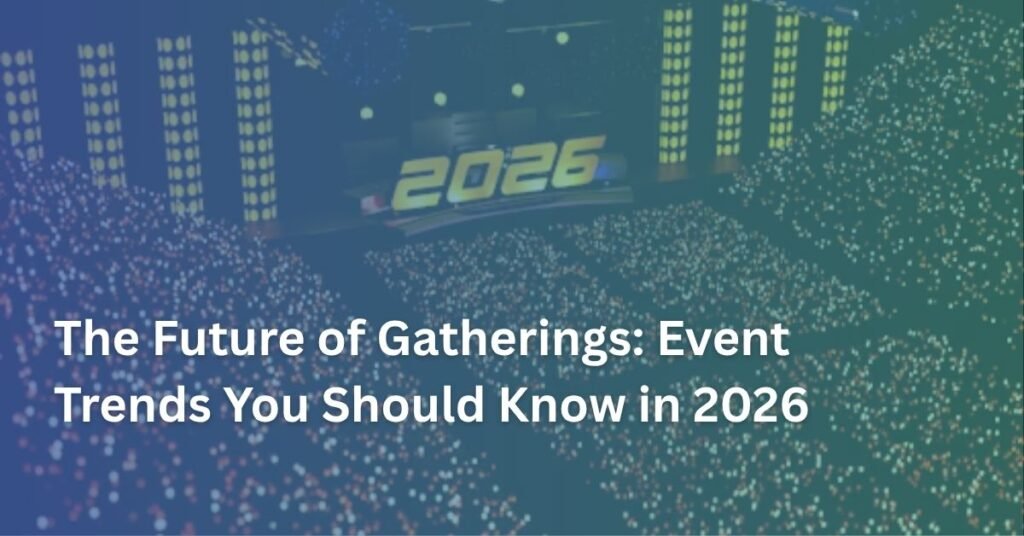
The Future of Gatherings: Event Trends You Should Know in 2026

The event industry has undergone a massive transformation over the last few years. As we move deeper into 2026, the days of generic, one-size-fits-all conferences and basic webinars are officially behind us. Today’s attendees demand hyper-personalized, tech-enabled, and deeply immersive experiences.Whether you are organizing a massive corporate summit, a niche B2B networking session, or launching a new product, staying ahead of industry shifts is crucial. Here are the defining event trends you need to know in 2026 to maximize engagement and ROI.

1. AI-Driven Personalization & Matchmaking

Artificial Intelligence is no longer a buzzword; it is the backbone of event logistics in 2026. Attendees no longer want to sift through a massive agenda to find relevant sessions. Instead, event organizers are using predictive AI to curate individualized journeys.

  • Smart Networking: AI algorithms analyze attendee profiles (skills, industries, goals) to suggest 1-on-1 meetings, acting as a highly accurate digital matchmaker.

  • Dynamic Agendas: Event apps now dynamically adjust an attendee’s schedule based on the booths they visit or the questions they ask during live Q&As.

  • Real-time Sentiment Analysis: Organizers are utilizing facial recognition (where opted-in) and engagement metrics to gauge audience mood in real-time, allowing speakers to pivot their delivery if energy levels drop.

2. The Rise of Micro-Events & Hyper-Local Gatherings

While massive global expos still hold value, 2026 is seeing a massive surge in hyper-local, intimate gatherings. "Micro-events" consisting of 20 to 50 highly targeted individuals are proving to yield better conversion rates and deeper professional relationships.Instead of flying thousands of people to a single location, brands are hosting synchronized micro-events across multiple cities. This trend significantly reduces travel costs and caters to a growing desire for closer, more meaningful networking without the overwhelming noise of a 10,000-person convention floor.

3. Seamless SaaS Integrations and Automated Operations

Behind the scenes, the tech stack managing events has matured. Organizers are moving away from fragmented tools and adopting unified SaaS platforms that handle everything from ticketing to post-event professional invoicing and electronic signatures for sponsor contracts.

  • Automated Workflows: Modern platforms instantly generate invoices and tax documents the moment a vendor or attendee registers.

  • Unified Dashboards: Utilizing modern frameworks (like React or Next.js), today’s event platforms offer lightning-fast, real-time analytics on attendance, inventory management for merch, and lead generation.

  • Programmatic SEO for Events: Event marketers are leveraging programmatic SEO to automatically generate hundreds of highly-targeted landing pages for different attendee personas, driving massive organic ticket sales.

4. Immersive Environments: AR, VR, and Spatial Computing

With the rapid advancement and mainstream adoption of spatial computing headsets in 2026, hybrid events have evolved into fully immersive experiences.

  • Augmented Reality (AR) Wayfinding: Attendees navigate massive venue halls using their smartphones or smart glasses, with digital arrows guiding them to their next session.

  • Virtual Twin Venues: Remote attendees don’t just watch a 2D stream; they walk through a 3D “virtual twin” of the physical venue, interacting with sponsor booths and other virtual attendees in real-time.

  • Interactive Holograms: Keynote speakers unable to travel are increasingly being beamed in as high-fidelity 3D holograms, making remote presentations feel incredibly lifelike.

5. Radical Sustainability & Zero-Waste Initiatives

Sustainability has shifted from a "nice-to-have" marketing bullet point to a strict baseline requirement. In 2026, attendees and sponsors actively boycott events that lack clear environmental accountability.

Organizers are adopting “Zero-Waste” policies by:

  • Eliminating single-use plastics and printed collateral.

  • Using digital swag bags (NFTs, discount codes, digital courses) instead of physical trinkets that end up in landfills.

  • Partnering strictly with venues that operate on renewable energy and source all catering from local, organic farms to reduce carbon footprints.

6. Wellness and Neuroinclusive Design

Event fatigue is a real phenomenon, and 2026's organizers are actively designing against it. Modern event spaces are being built with neurodiversity in mind, ensuring everyone can comfortably participate.

  • Quiet Zones: Dedicated, sound-proofed rooms where attendees can decompress, meditate, or simply escape the sensory overload of the main floor.

  • Wellness Breaks: Agendas that explicitly schedule time for morning yoga, breathwork sessions, or brief outdoor walks, rather than packing back-to-back keynotes for 10 hours straight.

  • Optimized Catering: Food menus are shifting heavily toward high-energy, brain-boosting foods—ditching heavy, sugar-laden snacks and white flour in favor of clean proteins, fresh greens, and natural energy sources to prevent the dreaded “afternoon crash.”

Conclusion: Adapting to the 2026 Event Landscape

The events of 2026 are highly intelligent, deeply personal, and highly efficient. By leveraging cutting-edge SaaS tools, integrating AI for smarter networking, and prioritizing both sustainability and attendee wellness, organizers can craft experiences that resonate long after the final keynote.

To stay competitive, audit your current event strategy. Are you still relying on outdated tech? Are you forcing attendees into a one-size-fits-all mold? The future belongs to those who adapt, innovate, and create truly unforgettable gatherings.

Ready to revolutionize networking for your next event? Explore custom solutions with
AttendeeGain or
BrandWorks today!

Picture of Abhishek Kapoor

Abhishek Kapoor

Abhishek Kapoor is the founder and creative head of BrandWorks Worldwide. His is an ex-Cvent and has worked in the event space for the last 13 years, providing branding and registration expertise to many clients globally.

The Future of Gatherings: Event Trends You Should Know in 2026 Read More »

Got an event approaching soon

15987
AttendeeGain Logo
Select an Option
Scroll to Top